Lawmakers Go Ghost: The Suspicious Silence That Hits Right Before a Big Vote
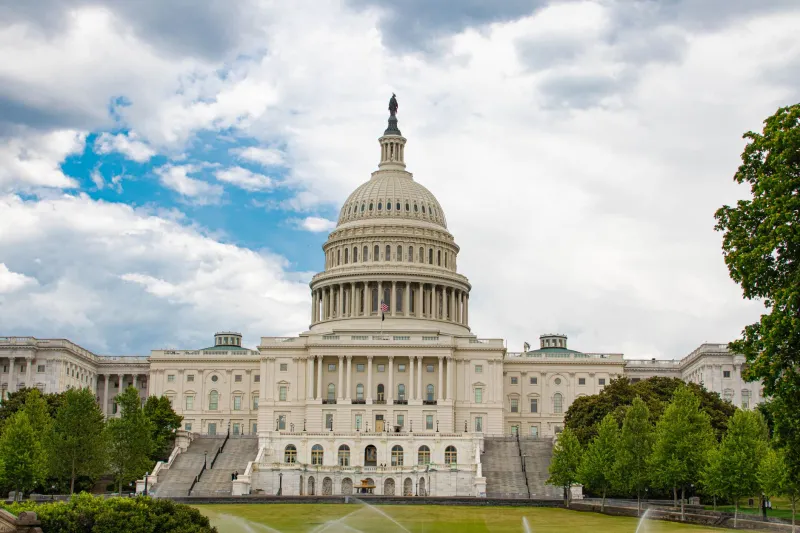
One day a senator is all over your timeline — posting selfies at town halls, dropping hot takes on cable news, firing off press releases like it's a full-time job. Then, out of nowhere, nothing. Radio silence. Their press secretary stops returning calls. Their Instagram goes dark. Their Twitter feed, usually a firehose of curated outrage, suddenly looks like an abandoned storefront.
Then, 48 hours later, a controversial bill passes. And they voted for it.
Coincidence? Washington insiders will tell you: absolutely not.
The Quiet Before the Gavel
Political communication strategists have a name for it — the "pre-vote blackout" — and while nobody in the business is going to admit it on the record, the tactic is about as subtle as a foghorn. The logic is simple: if you're not available, you can't be asked uncomfortable questions. If you're not posting, you can't be screenshotted saying something that'll end up in a campaign ad.
It's damage control before the damage even happens.
Consider what typically unfolds in the 48 hours before a high-profile, politically divisive vote. Congressional reporters who cover the Hill full-time will tell you that certain offices become virtually unreachable. Emails bounce back with vague auto-replies. Scheduled press availabilities get quietly canceled. Even the lawmakers who are usually media-hungry — the ones who practically live in front of cameras — suddenly develop a mysterious allergy to microphones.
And it's not just individual members. Sometimes entire caucuses go quiet in coordinated waves, suggesting the blackout isn't accidental. It's engineered.
Case Studies in Convenient Disappearance
Look back at some of the most contentious legislative moments of the last decade and you'll find the same pattern repeating itself with almost mechanical precision.
During the chaotic push to pass the Affordable Care Act's reconciliation fixes in 2010, several moderate Democrats who were on the fence became functionally invisible to press for stretches of 36 to 48 hours. Their offices cited scheduling conflicts, travel, and vague "constituent meetings" — explanations that satisfied nobody covering the story but bought enough time for leadership to lock down votes without public pressure campaigns gaining traction.
The same playbook surfaced during the 2017 tax overhaul debate. Key Republican swing votes in the Senate went from prolific tweeters to digital ghosts in the days leading up to the final vote. One senator's communications team stopped responding to press inquiries entirely for nearly two full days — only to resurface the morning after the bill passed with a cheerful statement about "delivering results for hardworking Americans."
More recently, budget deal negotiations and debt ceiling standoffs have produced similar disappearing acts. The politicians most likely to face constituent backlash are, almost without exception, the ones least likely to be reachable when the heat is highest.
The Math Behind the Blackout
Here's why the 48-hour window is so strategically perfect. The modern American news cycle operates on a brutal churn. Stories that feel earth-shattering on a Monday morning are already being replaced by Wednesday afternoon. Opposition groups, advocacy organizations, and angry voters need time to organize — to flood phone lines, launch social media campaigns, and pressure wavering lawmakers.
A 48-hour communications blackout doesn't just protect a politician from bad press. It actively degrades the opposition's ability to mount a real challenge. By the time activists figure out their senator has gone dark and start sounding the alarm, the vote is already scheduled. By the time the phone calls start flooding in, leadership has already counted the votes. By the time the outrage machine cranks up to full speed, the bill is done.
It's not hiding. It's clock management.
Social Media as the Canary in the Coal Mine
For political watchers who want an early warning system, social media activity — or the sudden lack of it — has become one of the most reliable tells in the business. A lawmaker who normally posts three to five times a day dropping to zero is a signal worth paying attention to.
Political data trackers have started monitoring posting frequency as an informal indicator of upcoming controversial activity. Some advocacy groups now use social media silence as a trigger to start calling congressional offices preemptively, treating the quiet itself as the news.
The irony, of course, is that the strategy may be becoming a victim of its own success. The more recognizable the pattern becomes, the more it tips off the very people it's designed to avoid. Reporters who cover Congress have started flagging sudden communication drops as stories in themselves — "Senator X hasn't posted or responded to press in 36 hours ahead of a vote on Y" is now a legitimate headline, not just a footnote.
Accountability in the Age of Algorithmic News
There's a broader question buried inside all of this, and it's one that cuts to the heart of how American democracy actually functions in the social media era. Elected officials have a baseline obligation to be accessible to their constituents. The argument that they're simply "managing their schedule" doesn't hold up when the blackouts align this consistently with controversial votes.
Voters deserve to know where their representatives stand before the gavel comes down — not in a carefully crafted press release issued after the fact, when the political risk has already passed.
The 48-hour disappearing act is, at its core, a way of avoiding the hardest part of the job: explaining difficult decisions to people who disagree with them. And in a media environment where the news cycle is relentless and unforgiving, the temptation to just... go quiet... is completely understandable.
That doesn't make it okay.
Next time your senator or representative suddenly goes silent right before a big vote, don't assume they're just busy. Assume they're running out the clock — and ask yourself what they don't want you to say before it's too late to matter.