From Zero to Canceled in 24 Hours: Inside the Machine That Turns Tweets Into Takedowns
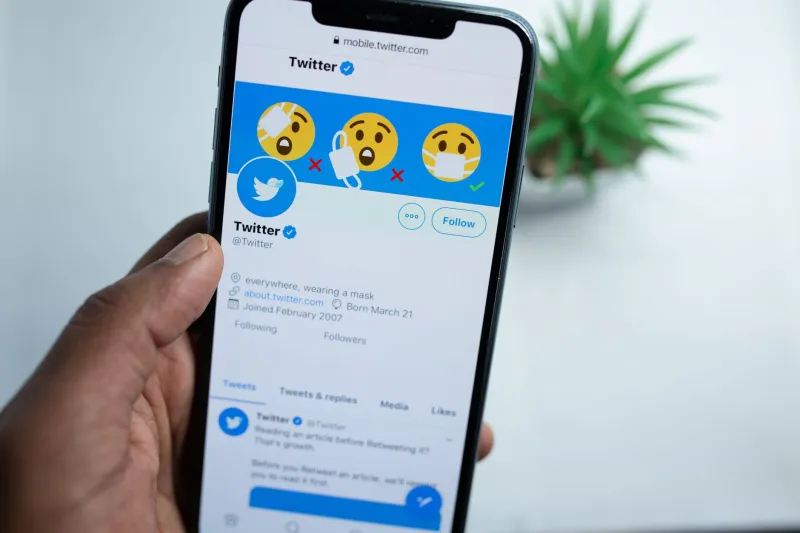
It starts with a notification. A screenshot. A repost from an account with 200,000 followers that captions it with nothing but a side-eye emoji. Within the hour, the original post has been screenshotted so many times the source account could delete it entirely and it wouldn't matter — the internet already has receipts.
Welcome to the modern celebrity news cycle, where a single moment of poor judgment, bad timing, or just plain bad luck can unravel years of carefully curated public image before most of America has finished its morning coffee.
The Anatomy of a Viral Scandal
The lifecycle of a celebrity controversy in 2024 follows a surprisingly predictable pattern, even if the content changes. Phase one: the original post or moment surfaces, usually on X (formerly Twitter) or TikTok. Phase two: a mid-tier account — think 50,000 to 500,000 followers — amplifies it with commentary. Phase three: the celebrity gossip aggregators pick it up. By phase four, mainstream outlets like TMZ, Page Six, and People have full articles running, and the story has officially crossed from social media chatter into documented news.
The whole process? It can take as little as three hours.
"The speed is genuinely terrifying if you're on the wrong side of it," says one Hollywood publicist who asked to remain anonymous. "We used to have a window — maybe a day, sometimes more — to craft a response. Now you have maybe ninety minutes before the narrative is set in stone."
Case Study: The Apology That Made Things Worse
Earlier this year, a well-known pop star — whose team we contacted but who declined to comment — posted what appeared to be a tone-deaf response to a social justice moment. The original post wasn't malicious by most accounts. It was clumsy. Poorly worded. The kind of thing that, five years ago, might have been quietly forgotten.
Instead, it became a masterclass in how not to handle a trending moment. The initial response from the star's team was silence — a full four hours of it. By the time a statement dropped, the discourse had already moved past the original post and into territory about the star's broader history, past interviews, and a resurfaced clip from a 2019 red carpet that had nothing to do with the original incident.
The apology, when it came, was widely mocked as performative. A second, more personal statement posted directly to Instagram Stories did marginally better — but by then, the trending topic had already peaked and the damage was done.
Contrast that with another high-profile moment from the same month: a reality TV personality who got ahead of a brewing story by posting a raw, unfiltered video before the gossip accounts could frame the narrative for her. She spoke directly to camera, acknowledged what happened, skipped the PR polish, and let the moment breathe. The story still trended — but the tone was sympathetic rather than damning.
The Role of Gossip Aggregators and Fan Armies
Here's what most casual observers miss about the modern celebrity news cycle: traditional media is no longer driving the bus. Fan communities, stan accounts, and gossip aggregators on TikTok and Instagram are setting the agenda, and mainstream outlets are increasingly just following their lead.
Accounts like Deuxmoi — the anonymous celebrity gossip Instagram that has amassed millions of followers — operate entirely outside traditional journalistic frameworks. There's no editorial oversight, no fact-checking process, no legal team reviewing posts before they go live. And yet, a blind item dropped there on a Tuesday night can become a verified news story by Wednesday afternoon.
"The aggregators have enormous power and almost no accountability," says media critic and author Dana Howell, who has written extensively about digital celebrity culture. "They're not pretending to be journalists, which paradoxically makes people trust them more. It feels raw, unfiltered. But the downstream effects on real people's careers can be devastating."
Fan armies add another layer of complexity. A celebrity with a fiercely loyal fanbase can sometimes weather a scandal that would sink someone with a more casual following. When one Grammy-winning artist faced plagiarism allegations earlier this year, her fanbase mobilized within hours — flooding comment sections, providing counter-evidence, and organizing a coordinated streaming campaign that pushed her music back onto the charts mid-controversy. The story still ran everywhere. But the narrative never fully turned against her.
Influencers vs. Traditional Celebrities: A Different Set of Rules
Influencers — particularly those who built their audiences on parasocial intimacy — face a uniquely brutal version of public scrutiny. Unlike traditional celebrities who maintain a degree of professional distance, influencers have often spent years inviting their audiences into their homes, relationships, and daily lives. When something goes wrong, the betrayal fans feel is personal in a way it simply isn't with a movie star.
This year's most talked-about influencer controversy — involving a lifestyle creator whose brand partnerships reportedly didn't match her behind-the-scenes reality — played out almost entirely on TikTok before a single mainstream outlet touched it. Former collaborators posted receipts. Followers who had met her at events shared their experiences. The comment sections became crowdsourced investigative journalism.
By the time traditional media covered it, there was almost nothing left to report that the internet hadn't already dissected.
Can You Actually Survive a Trending Moment?
The honest answer is: it depends. On the severity of the original incident, yes. But also on timing, on who else is in the news that week, on whether your fanbase shows up, and — critically — on how you respond in those first few hours.
Publicists across the industry largely agree on a few core principles. Get ahead of it if you can. Don't let the silence fill with other people's narratives. Be human, not corporate. And understand that the goal in the immediate aftermath isn't to win — it's to survive long enough to have a second conversation.
Because here's the thing about the 24-hour news cycle: it does, eventually, end. The trending topic moves on. The discourse shifts. And in a media environment where attention is the scarcest resource of all, yesterday's scandal is tomorrow's footnote.
The celebrities who understand that — who can take the hit, stay grounded, and resist the urge to over-explain — tend to come out the other side intact. The ones who fight the machine usually just end up feeding it.
America 24/7 covers entertainment, celebrity, and media culture around the clock. For the latest trending stories, check back throughout the day.