Gone Dark: The Calculated Silence Public Figures Use to Control the Story Before It Breaks
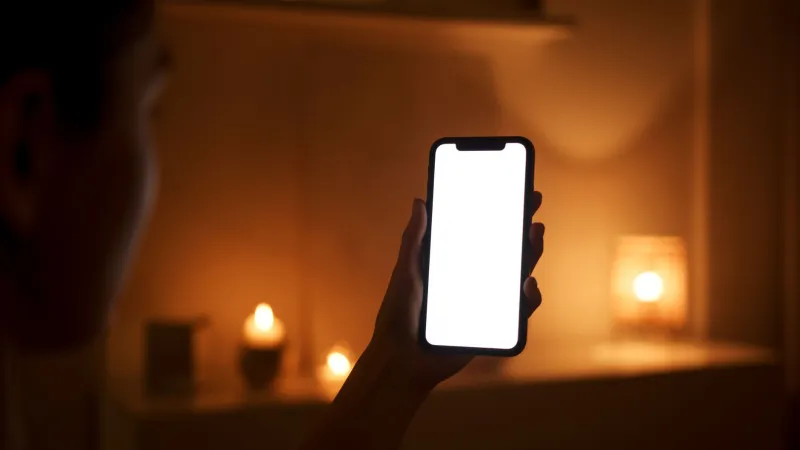
You've noticed it before, even if you couldn't name it. A senator stops tweeting. A pop star's Instagram goes suspiciously quiet. A White House spokesperson starts giving one-word answers. Then, 72 hours later — boom. The announcement lands, the headlines explode, and suddenly it all makes sense.
That silence wasn't an accident. It was a weapon.
Welcome to the pre-announcement blackout — one of the most underappreciated tools in the modern public relations arsenal. Whether you're a sitting governor about to step down or a Grammy-winning artist dropping a surprise record, going dark before the big reveal has become a nearly universal playbook move. And once you understand how it works, you'll never look at a celebrity's missing posts — or a politician's sudden press availability drought — the same way again.
The Clock Starts Ticking Before You Even Know It
Communications strategists and political handlers will tell you that the 48 to 72 hours before a major announcement are the most critical of the entire news cycle. This is the window where leaks get plugged, talking points get stress-tested, and allies get quietly briefed. The public, meanwhile, gets nothing.
That deliberate information vacuum serves multiple purposes. First, it prevents the story from being told by someone else. In today's media environment, a narrative that breaks without the subject's framing is a narrative that's already out of control. By going silent, a public figure buys time to ensure that when the story does drop, it drops on their terms — with their words, their chosen platform, and their preferred emotional register.
Second, the silence itself builds anticipation. Human brains are wired to notice absence. When someone who posts three times a day suddenly goes quiet, their audience notices. Curiosity builds. By the time the announcement arrives, you've already got a primed audience leaning forward in their seats.
Political Figures: Silence as Damage Control
In Washington, the pre-announcement blackout often signals something uncomfortable is coming. Think back to the days before a high-profile congressional resignation. Staffers stop responding to press. The member cancels public appearances. Scheduled media hits quietly disappear from the calendar. Insiders start getting vague calls from the chief of staff.
All of that happens before a single word is made public.
Political communications experts refer to this phase as "narrative lockdown" — a period where the goal isn't to say anything, but to make absolutely sure that nothing leaks before the official statement is ready. The stakes are enormous. A resignation that breaks through a reporter's scoop rather than a controlled statement gives opponents and media critics 24 extra hours to shape the story as a scandal rather than a dignified exit. That distinction can define a legacy.
The same logic applies to major policy reversals, cabinet reshuffles, and yes, even presidential campaign announcements. The silence before those drops isn't indecision. It's choreography.
The Celebrity Version: Engineered Mystique
Over in Hollywood and the music industry, the blackout strategy plays out a little differently — but the underlying mechanics are identical. When Beyoncé dropped her surprise self-titled album in 2013 without a single traditional press cycle, the shock was engineered over weeks of strategic quiet. Her team went dark. No interviews. No hints. Just absence, which itself became a kind of anticipation machine.
Since then, the surprise drop has become a genre of its own, and the pre-release silence is now a recognized part of the format. Artists and their labels understand that a 72-hour social media blackout — especially from someone who's usually prolific online — functions like a trailer for a trailer. It signals that something is coming without confirming what. The audience does the hype work for free.
For celebrities navigating personal crises rather than album drops, the blackout serves a different but equally strategic function. When a public figure disappears right before a major confession or public apology, the silence creates a kind of emotional reset. Audiences arrive at the statement with less pre-formed outrage because the absence has allowed the previous news cycle to partially exhaust itself.
What the Silence Actually Tells You
Here's the part that most casual news consumers miss: the nature of the silence carries information, even when no words are being spoken.
A sudden, complete blackout — across all platforms, all surrogates, all press contact — usually signals something significant and potentially negative. When a political figure's entire communications infrastructure goes quiet simultaneously, that tends to mean damage control is underway. Lawyers are involved. Talking points are being scrubbed.
A partial blackout — where personal accounts go quiet but official channels keep posting — often signals a personal announcement rather than a professional one. A family matter. A health disclosure. Something that the person wants to own in a specific, human way rather than through an institutional voice.
And a rolling blackout — where silence creeps in gradually over several days — almost always points to a planned, strategic reveal. An endorsement. A book deal. A campaign launch. Something that's been in the works for months and is finally ready for its moment.
The Media's Role in the Game
Journalists aren't passive observers in this dynamic. Experienced political reporters and entertainment correspondents have learned to read the absence of information as aggressively as the presence of it. A publicist who stops returning calls is a story. A senator who cancels three consecutive press gaggles is a tip.
The dance between source silence and press scrutiny is one of the defining rhythms of American media. Both sides know the rules. The subject controls the timing; the press tries to break it early. Whoever wins that race shapes the first draft of the story — and in a 24-hour news cycle, the first draft has an outsized influence on every draft that follows.
The Audience Is Catching On
Maybe the most interesting shift happening right now is that everyday news consumers are getting smarter about this game. Social media has made it easier than ever to notice when someone suddenly stops posting, when a verified account goes weeks without an update, or when a public figure's usual press rhythm abruptly flatlines.
There are entire Reddit threads and fan communities dedicated to tracking celebrity social media activity specifically to predict announcements. Political junkies on Twitter have built informal systems for flagging when a member of Congress goes unusually quiet. The audience, in other words, has started playing the same game the PR teams are running.
Which means the blackout strategy, while still effective, is getting harder to execute cleanly. When your silence itself becomes the news, you've lost part of the edge.
The Quiet Before the Storm Is the Storm
At the end of the day, the 72-hour disappearance is really just a very old human instinct dressed up in modern communications strategy. You hold your breath before you say something hard. You gather yourself before you walk out on stage. The silence is preparation — for the speaker and, whether they realize it or not, for the audience too.
Next time a politician you follow stops showing up in your feed, or a celebrity's account goes suspiciously still — pay attention. The clock is already running. Something is coming. And the quiet is telling you exactly that, even if it won't say what.